An approachable field guide
Astrology as a language of patterns
Explore the symbols behind birth charts, relationships, and planetary cycles—without treating them as fixed predictions.
Start with curiosity
Here, astrology is presented as a symbolic framework for reflection—a way to notice tendencies, strengths, challenges, and possibilities without treating them as fixed truths.
A birth chart can offer prompts for questions like:
- Why do I react this way?
- What drives me?
- Where do I get stuck?
- How can I evolve?
Used this way, astrology can support emotional awareness, self-acceptance, and growth.
Foundation
How a birth chart is read
A birth chart brings together zodiac signs, planets, points, houses, aspects, and larger geometric patterns. Each layer offers a different symbolic lens; together they create a richer set of prompts for self-reflection.
Element 01 · Archetypes
The zodiac signs — personality styles
Astrologers use 12 zodiac signs as archetypal styles or approaches to life. They are not only “sun signs”; every chart contains all twelve in different roles.
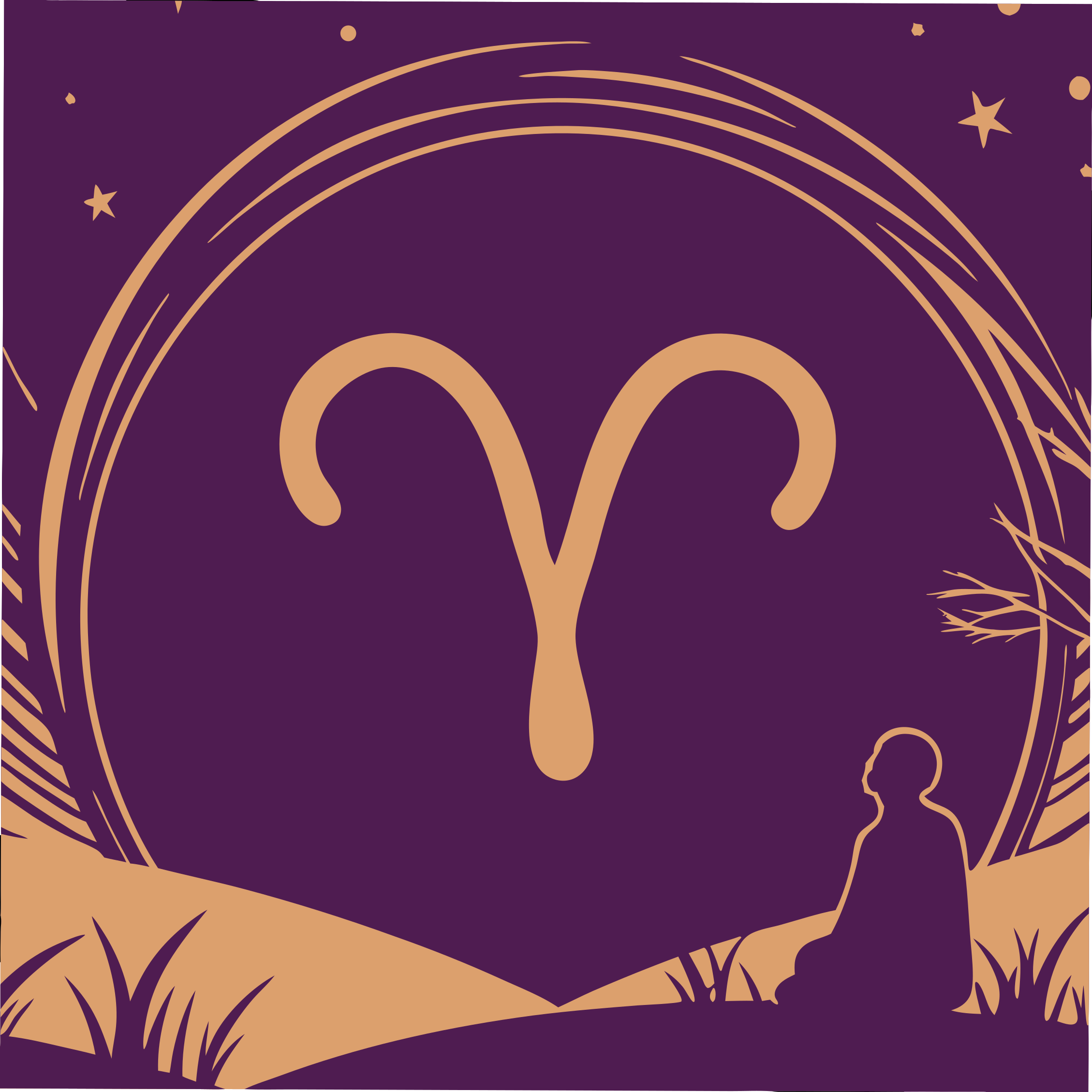
Aries
Assertive, initiator, loves action
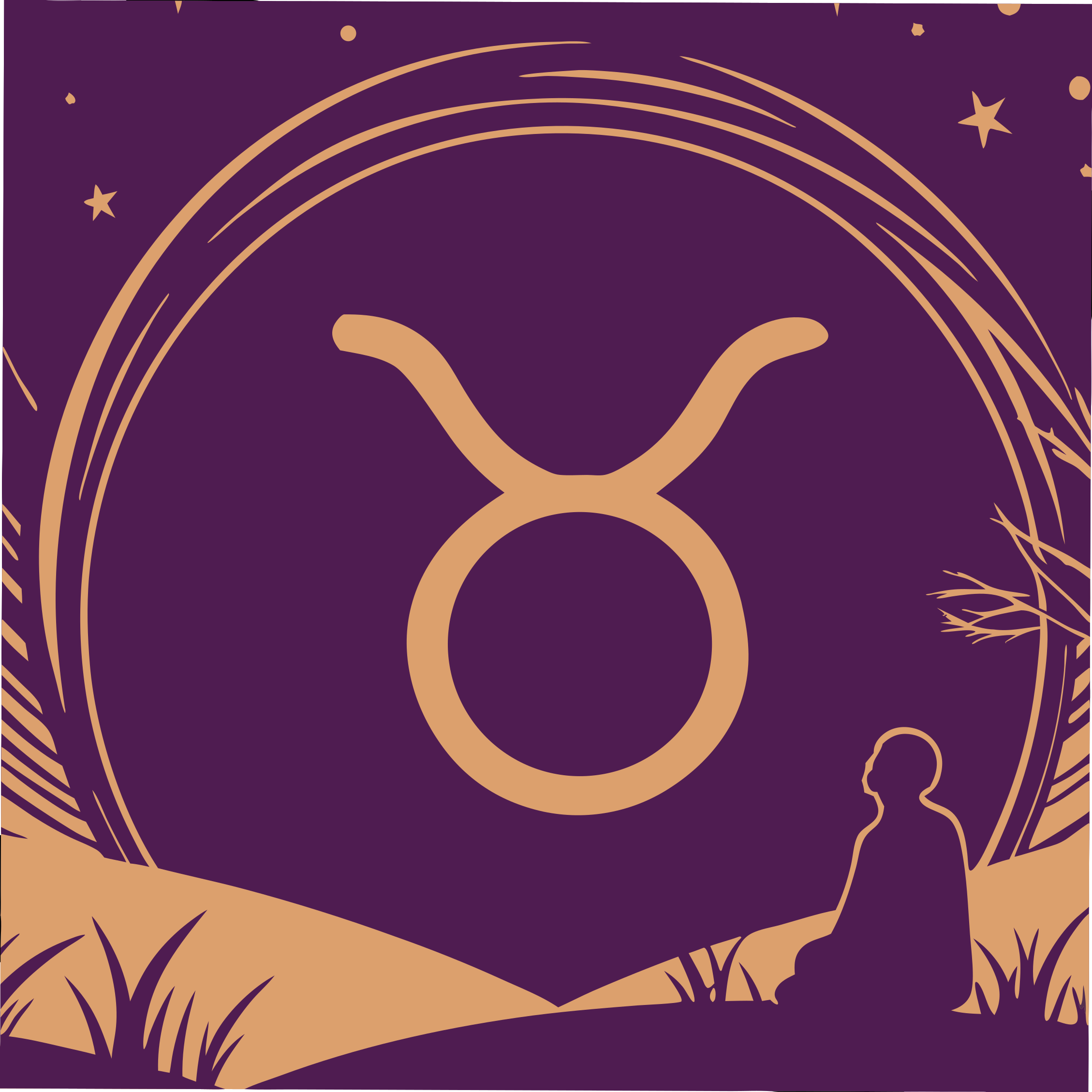
Taurus
Grounded, sensual, values stability
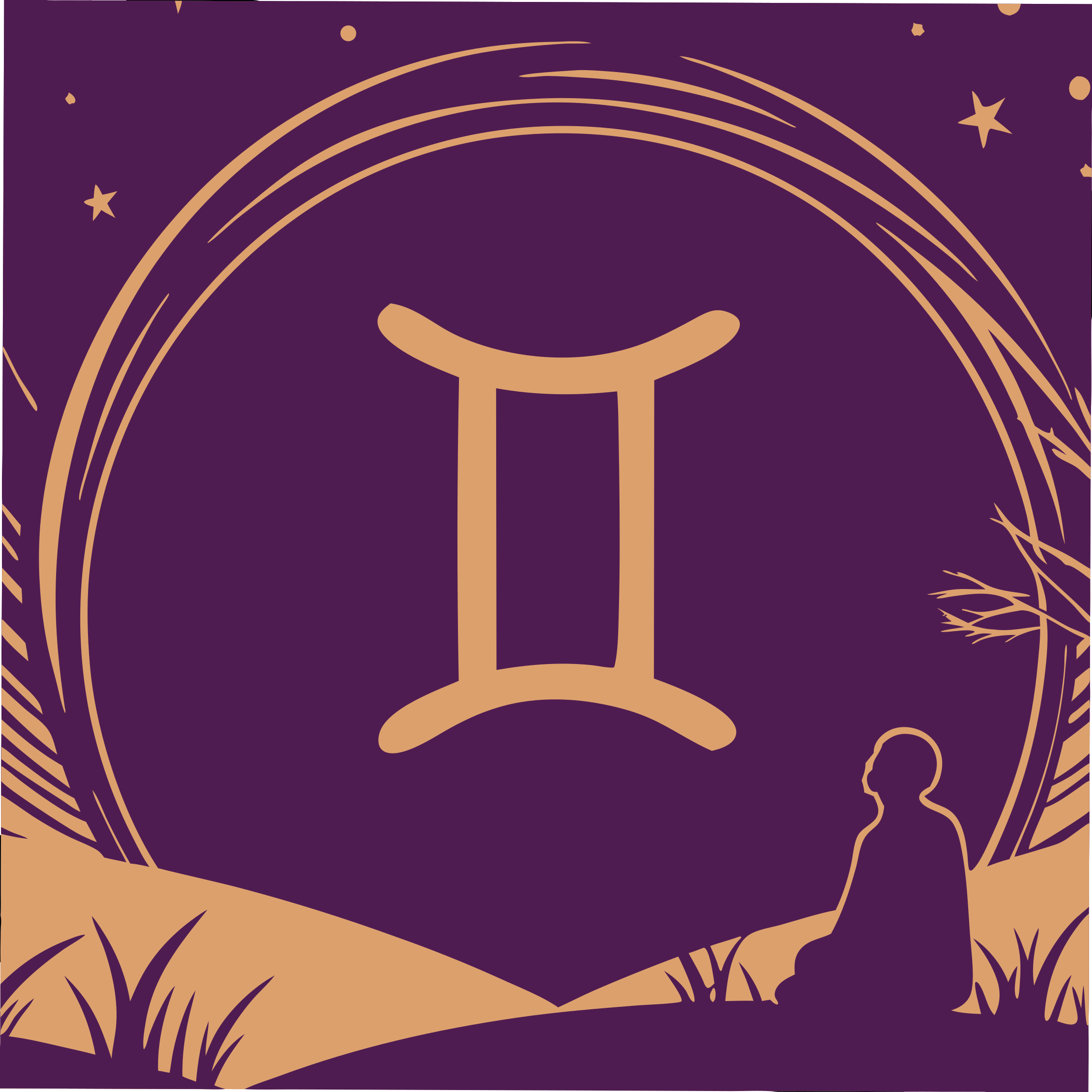
Gemini
Curious, verbal, quick-thinking
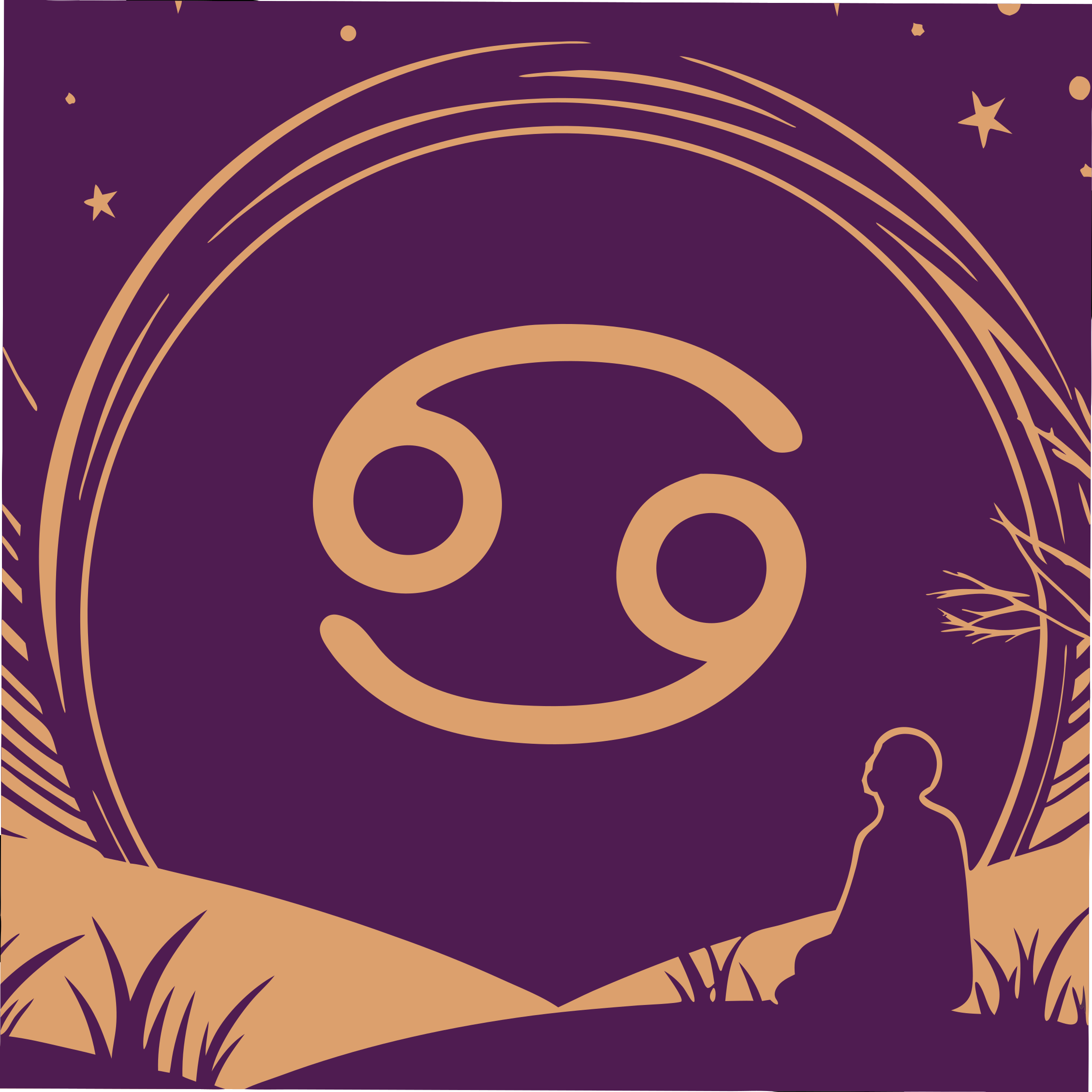
Cancer
Nurturing, emotional, protective
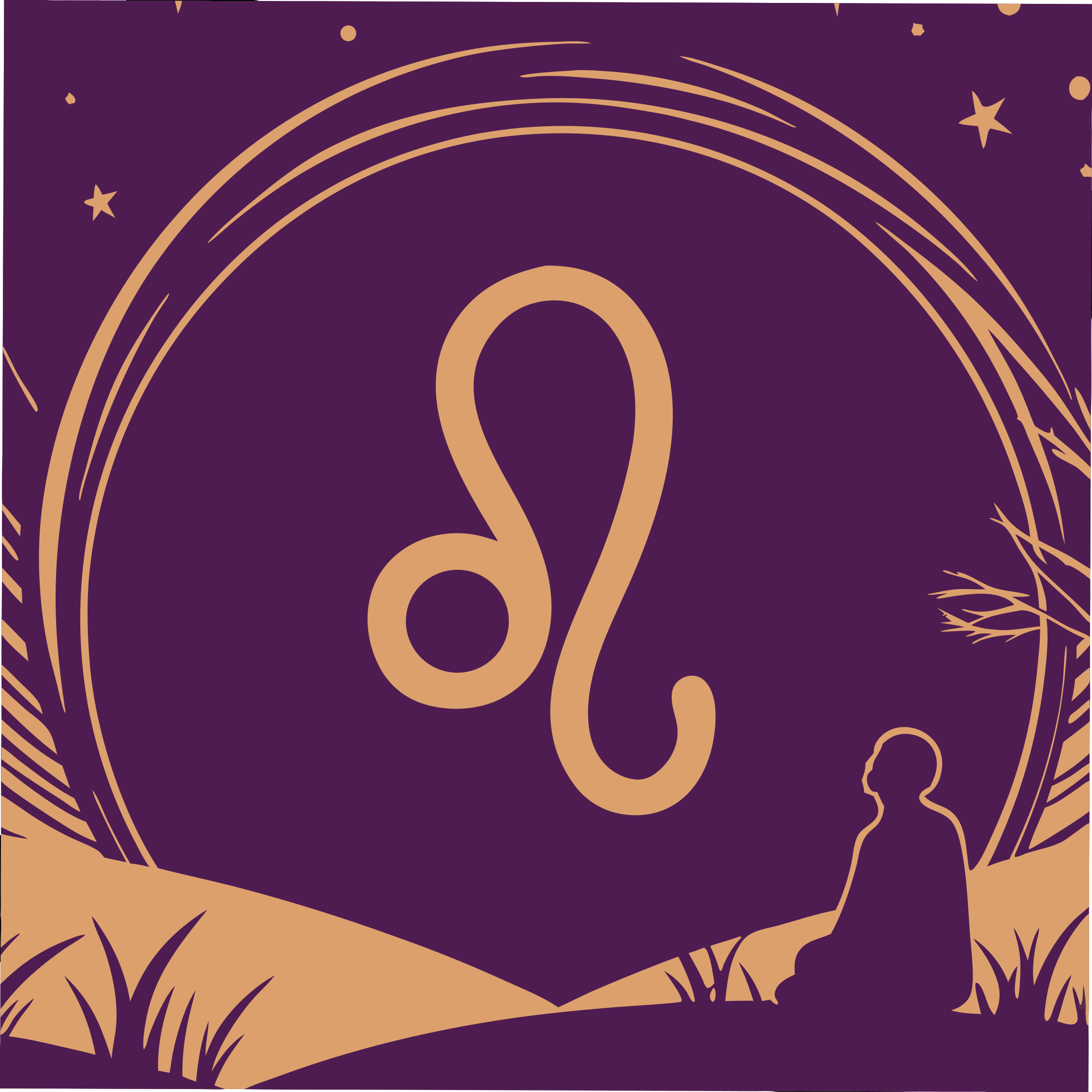
Leo
Assertive, initiator, loves action
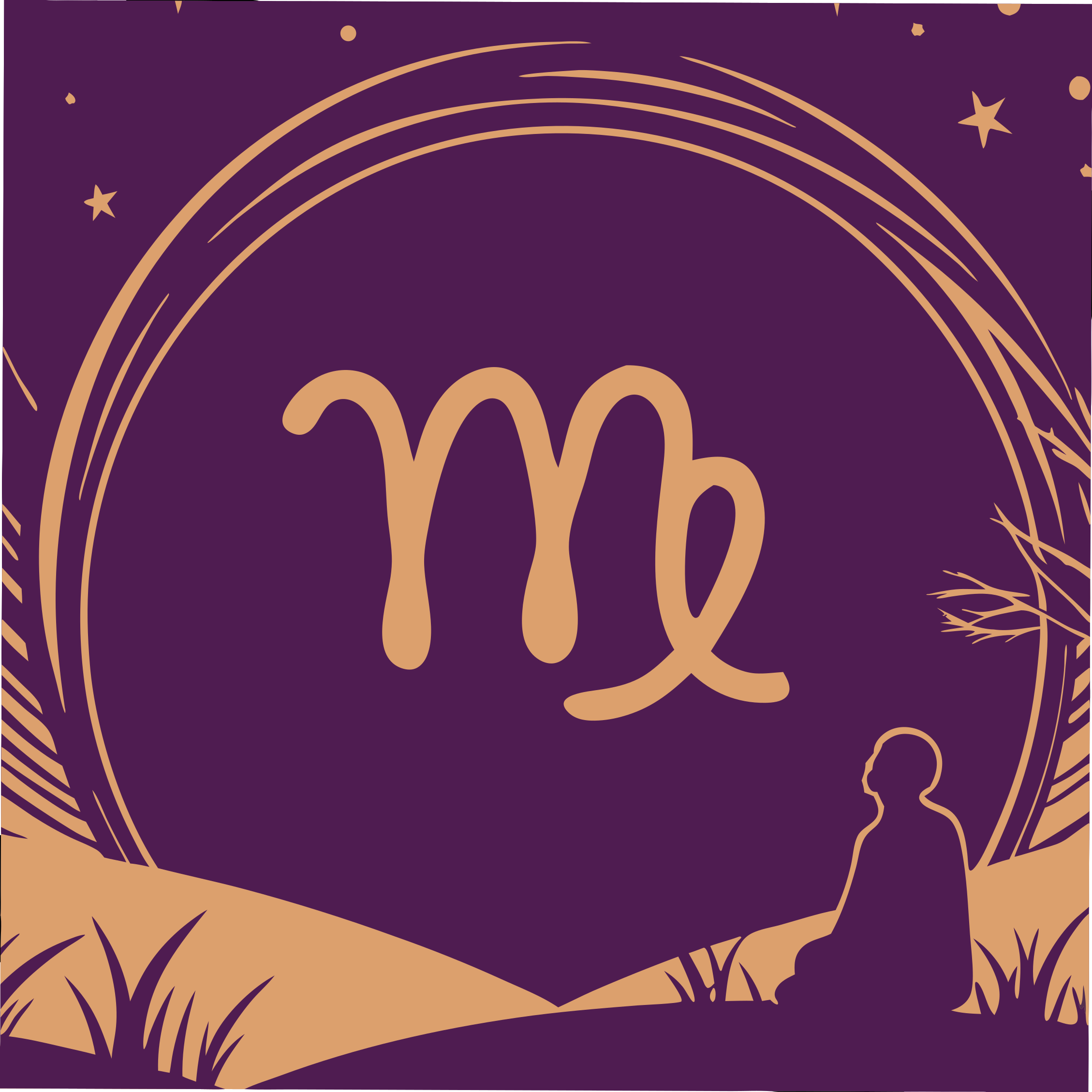
Virgo
Grounded, sensual, values stability
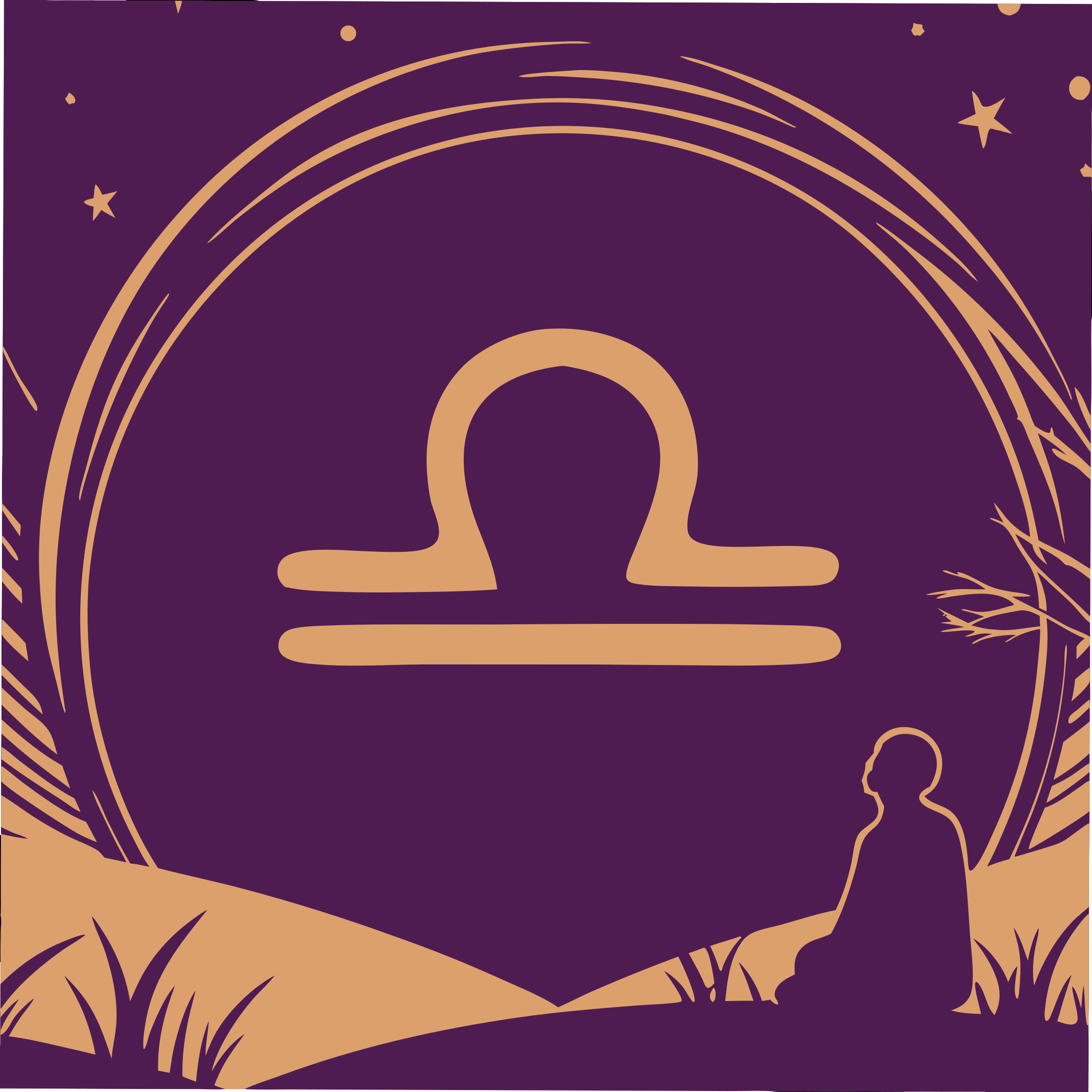
Libra
Curious, verbal, quick-thinking
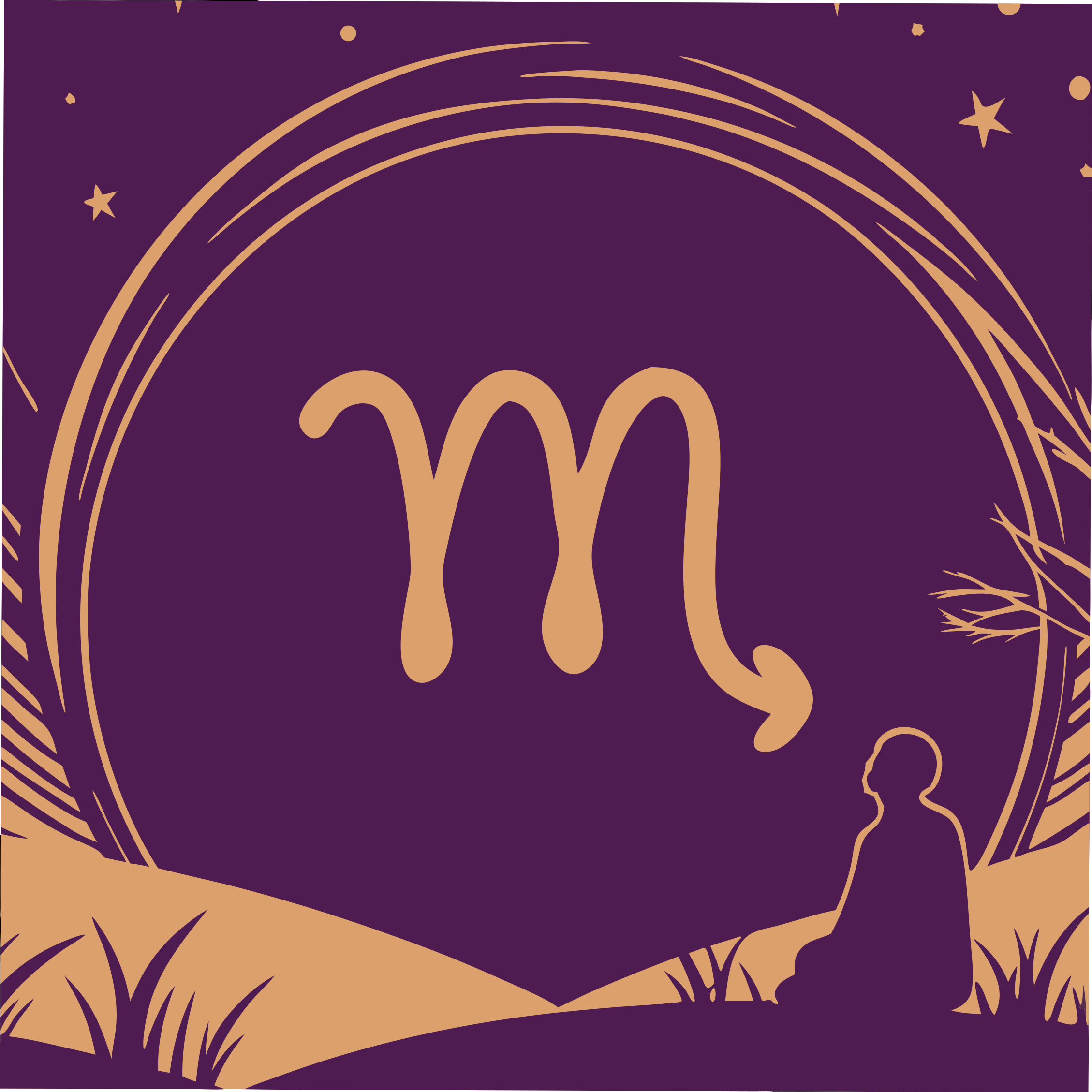
Scorpio
Nurturing, emotional, protective
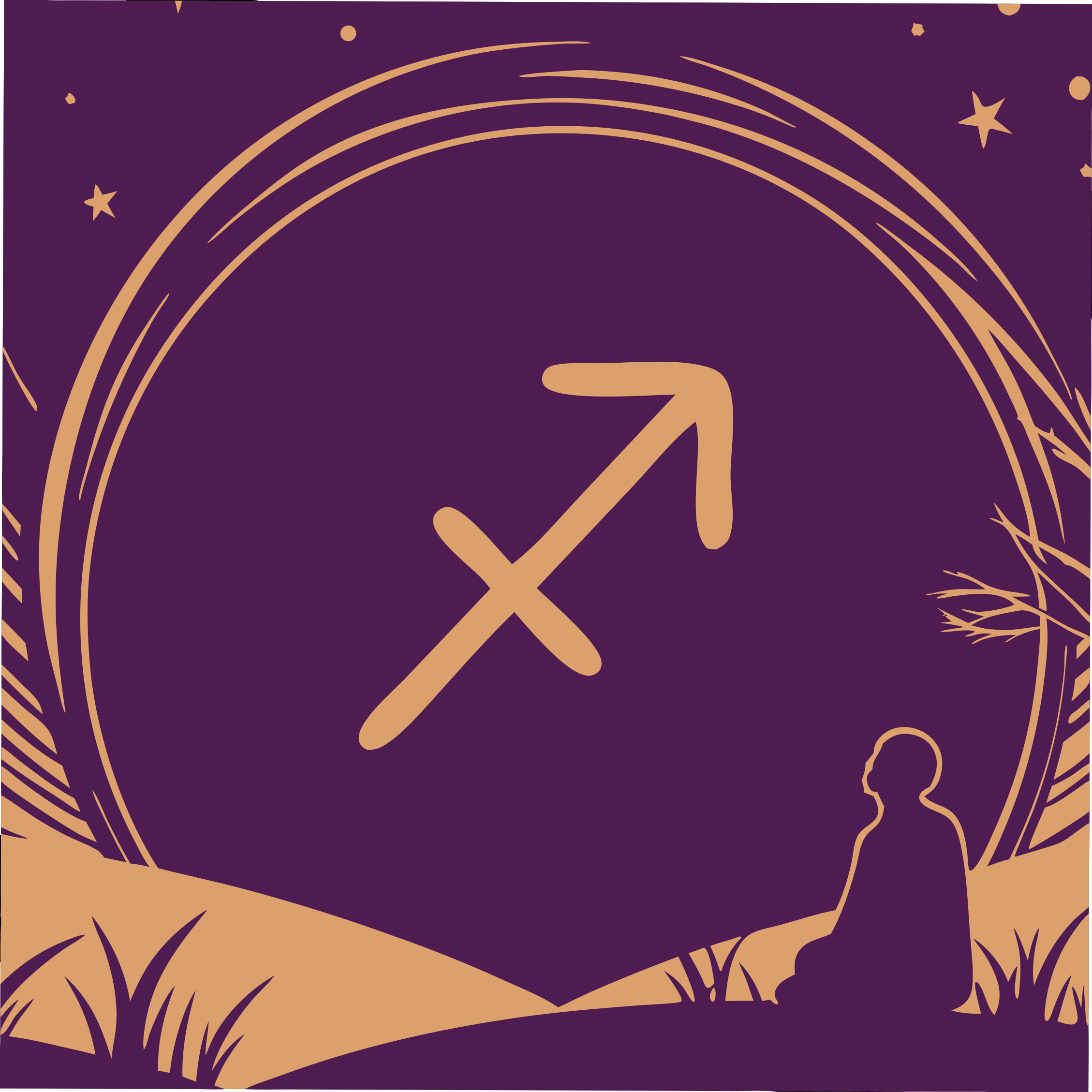
Sagittarius
Assertive, initiator, loves action
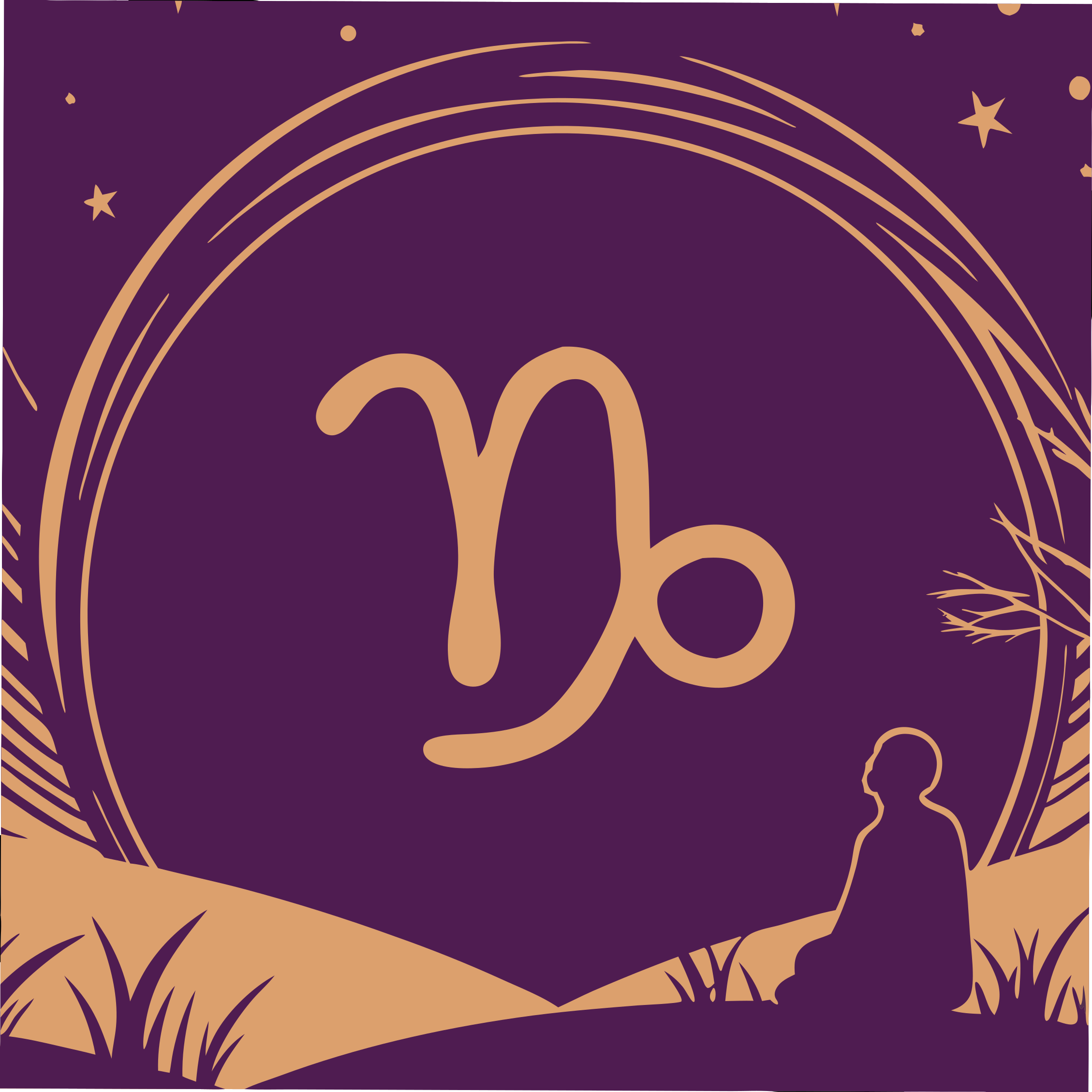
Capricorn
Grounded, sensual, values stability
Aquarius
Curious, verbal, quick-thinking
Pisces
Nurturing, emotional, protective
Element 02 · Drives
The planets — an inner cast of characters
In astrological symbolism, the planets represent different psychological drives. Think of them as roles in an inner cast, each contributing a distinct theme.
Sun
Your core identity, ego, vitality. The main character.
Moon
Your emotions, instincts, inner child. The feeler.
Mercury
Thinking, speaking, learning. The communicator.
Venus
Love, beauty, values, attraction. The lover.

Mars
Action, will, drive, conflict. The warrior.
Jupiter
Expansion, beliefs, growth, optimism. The teacher.
Saturn
Discipline, structure, responsibility. The wise elder.
Uranus
Rebellion, innovation, sudden change. The revolutionary.
Neptune
Dreams, intuition, illusion, compassion. The mystic.
Pluto
Power, death, rebirth, deep transformation. The alchemist.
Element 03 · Orientation
Chart angles, nodes, and Chiron — markers for reflection
These points are not planets. Astrologers use them as symbolic markers for how a person may approach growth, relationships, public life, roots, and healing.
Ascendant (Rising Sign)
Outer self, first impressions, approach to life. The mask or lens.
Descendant
Relationships, partnerships, your “other.” The mirror.
North Node
Soul growth, life lessons, karmic purpose. The guiding star.
South Node
Past patterns, comfort zone, innate skills. The familiar echo.
Midheaven (MC)
Career, public image, aspirations. The summit.

Imum Coeli (IC)
Roots, home, inner world. The anchor.
Chiron
Wounds, healing, sacred pain turned wisdom. The wounded healer.
Element 04 · Life areas
The houses — where themes play out
If signs describe how a theme is expressed, houses describe where it may show up. A chart is divided into 12 houses, each associated with an area of experience.
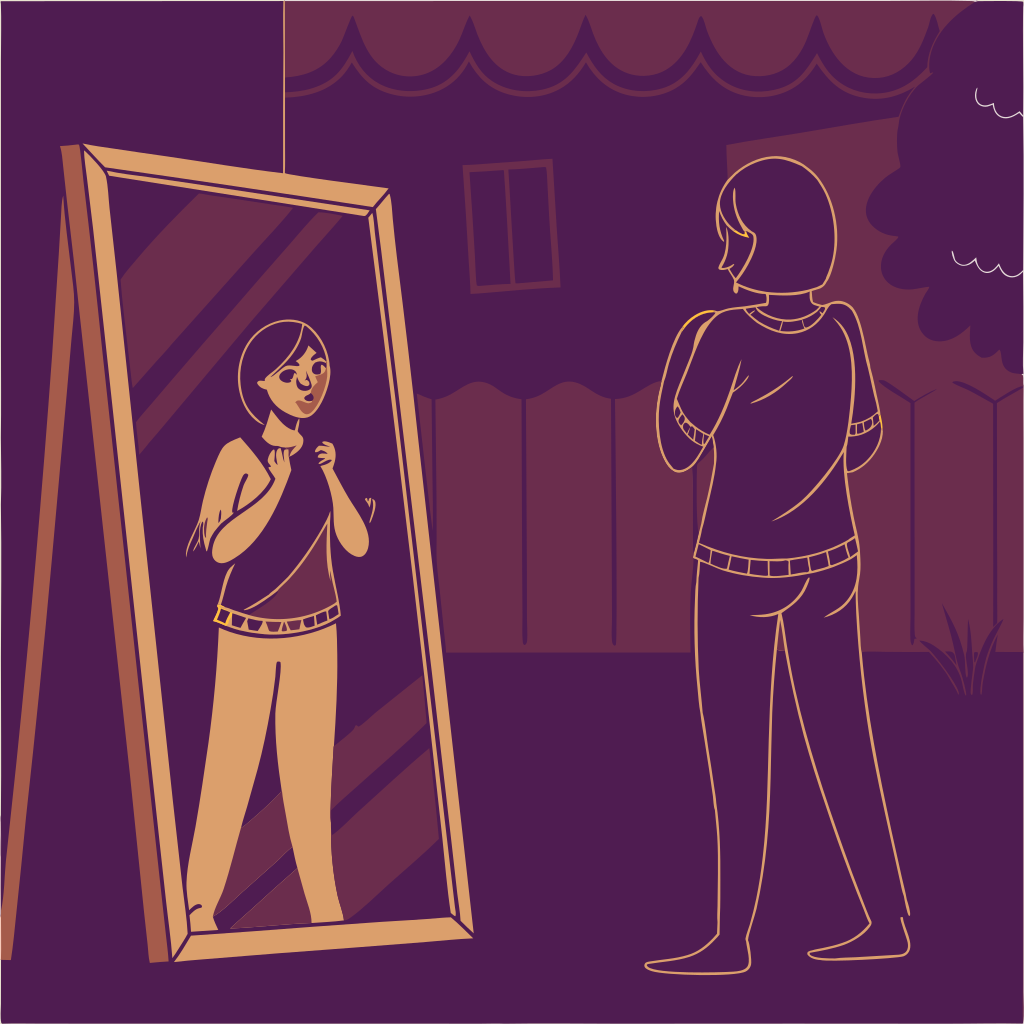
1st House
Self-image, identity
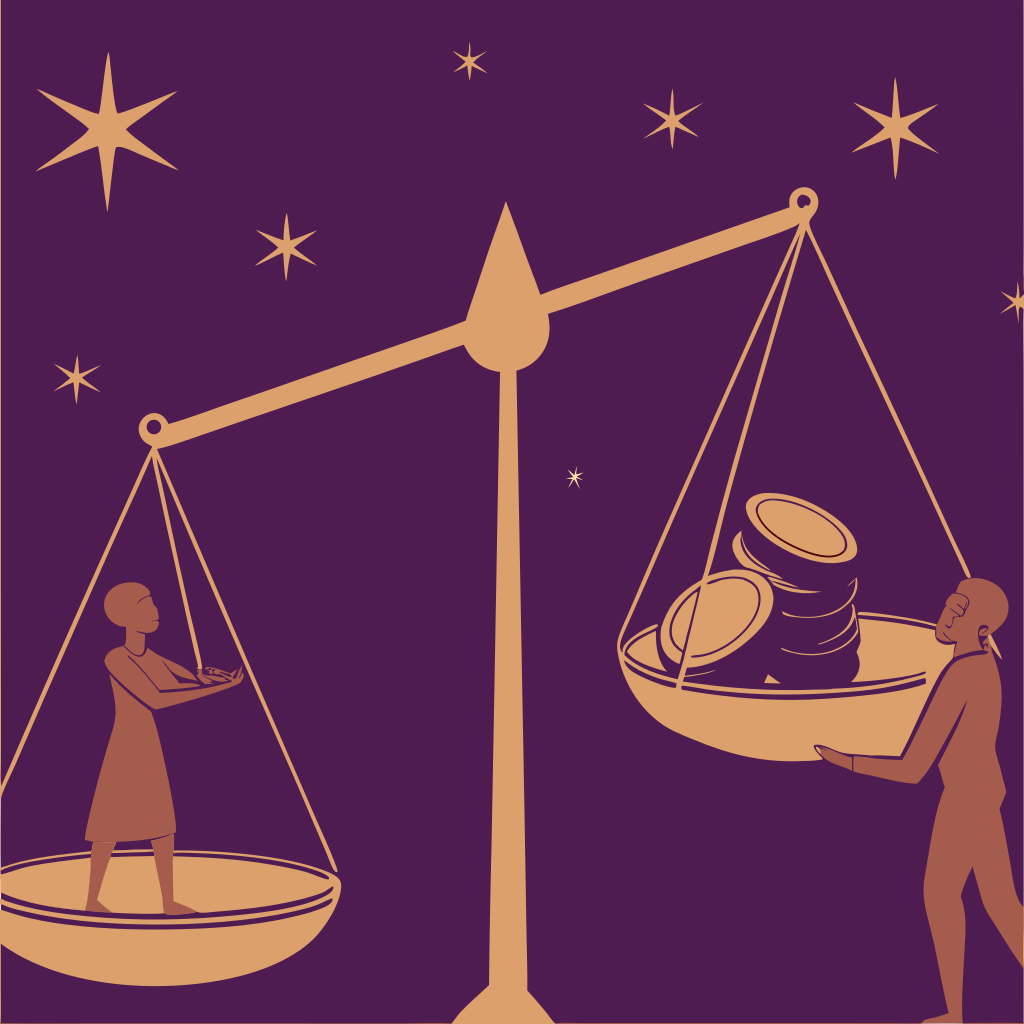
2nd House
Values, money, self-worth
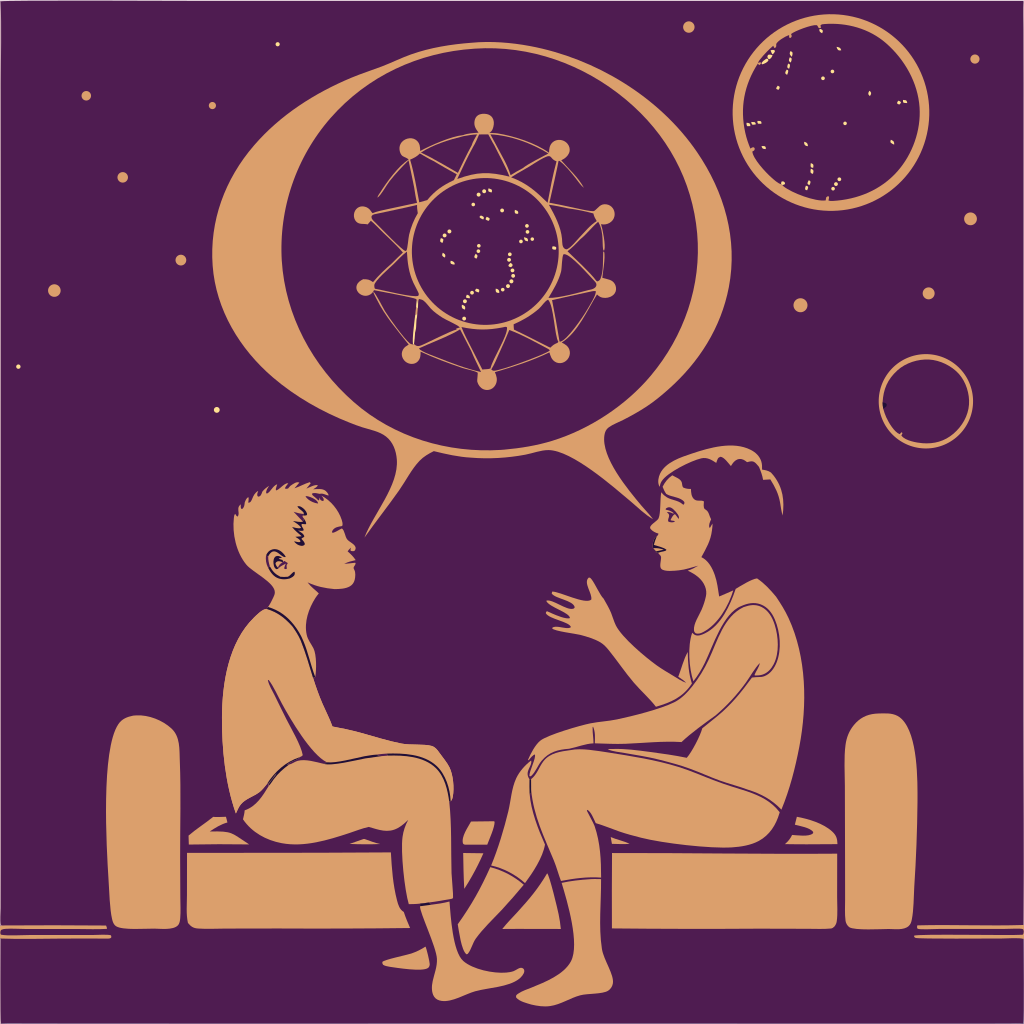
3rd House
Mindset, communication, siblings
4th House
Home, roots, family
5th House
Creativity, romance, joy
6th House
Health, work, daily routine
7th House
Partnerships, close relationships
8th House
Transformation, intimacy, shared resources

9th House
Beliefs, travel, higher learning

10th House
Career, public image, life goals
11th House
Friendships, community, vision
12th House
Subconscious, solitude, spirituality
For example, Venus in the 5th house may be read as an invitation to explore creative romance or expressive love. Mars in the 10th may point toward drive in public or career goals. The Moon in the 4th may make home and family useful themes for emotional reflection.
Element 05 · Relationships
Aspects — dialogue between chart factors
Aspects are the angles between planets. Astrologers read them as symbolic descriptions of how different psychological themes might cooperate, amplify one another, or create tension.

Conjunction (0°)
Intense blending of energies.

Sextile (60°)
Harmonious and supportive flow of energy.

Square (90°)
Tension and friction that pushes growth.

Trine (120°)
Easy flow of energy.
Opposition (180°)
Internal or relational balancing act.
For example, a square between the Moon (emotions) and Mars (action) can offer language for reflecting on tension between emotional safety and impulse. Awareness creates room for choice; the aspect does not dictate a response.
Element 06 · Geometry
Astrological patterns
Aspect patterns are geometric relationships among several planets. From a psychological perspective, they can be used as symbolic models for how multiple drives interact—not as causes of behavior.
- Patterns can describe functions working together or in tension.
- Some emphasize ease; others emphasize developmental pressure.
- None are inherently good, bad, or predetermined.
Open a pattern to explore its structure and one possible psychological reading.
Pattern 01T-SquareInternal conflict and motivational tension
- Structure
- Two planets oppose each other; both square a third.
- Psychological reading
- This pattern can symbolize a core conflict between opposing inner drives, with a third psychological function mediating the tension. It may feel like restlessness or urgency and can motivate someone to work toward integration, achievement, or clearer priorities.
- Reflection prompt
- Emotional safety (Moon) and autonomy (Mars) may pull in different directions, inviting conscious coping strategies rather than prescribing a fixed response.
- Estimated prevalence
- ~30–40%
Pattern 02Grand CrossMultiple needs in active negotiation
- Structure
- Four planets form a cross through a set of squares and oppositions.
- Psychological reading
- A Grand Cross can be read as four psychological drives asking for attention at once. The friction may feel like competing narratives—duty, freedom, connection, and independence—but it can also become a prompt to practise self-regulation, compromise, and resilience.
- Reflection prompt
- Imagine the caretaker, rebel, achiever, and dreamer all needing space. The chart does not decide which role wins; it offers a language for noticing the negotiation.
- Estimated prevalence
- ~1–2%
Pattern 03YodFocused adjustment and gradual growth
- Structure
- Two planets are in sextile, and both are quincunx a third apex planet.
- Psychological reading
- Traditionally called the “Finger of God,” a Yod can symbolize a tension that does not fit neatly into familiar frameworks. The apex planet may point to a capacity or challenge someone learns to work with through reflection, experience, and repeated adjustment—not a predetermined outcome.
- Reflection prompt
- Some people describe periods of feeling out of alignment before finding a clearer way to work with the pattern. This is an interpretive prompt, not a forecast of any fixed event.
- Estimated prevalence
- ~5%
Pattern 04Grand TrineEase, flow, and psychological fluency
- Structure
- Three planets are in trine (120° apart), forming an equilateral triangle.
- Psychological reading
- A Grand Trine can symbolize ease between core functions—for example, thinking, feeling, and acting working together fluidly. Depending on the planets involved, astrologers may associate it with talent, emotional steadiness, or ease of expression.
- Reflection prompt
- Ease does not guarantee mastery. A person may still benefit from challenge, practice, and conscious use of their strengths.
- Estimated prevalence
- ~10–15%
Pattern 05KiteNatural ability with a point of focus
- Structure
- A Grand Trine is joined by an opposition through one of its planets.
- Psychological reading
- The opposition adds focus to the easier flow of the Grand Trine. Symbolically, this blends natural ability with motivating friction and may encourage someone to apply their strengths with greater direction.
- Reflection prompt
- A core emotional need—such as building self-worth or understanding family patterns—might become a reason to develop an existing talent.
- Estimated prevalence
- ~1–2%
Pattern 06Mystic RectangleBalanced polarities and integrative potential
- Structure
- Two oppositions are connected by two trines and two sextiles.
- Psychological reading
- This pattern may suggest a capacity to hold opposing needs—such as dependence and independence—and explore ways to integrate them. The oppositions describe friction, while the harmonious aspects symbolize possible tools for working with it.
- Reflection prompt
- Picture someone learning to see both sides and move toward balance rather than treating either pole as the only answer.
- Estimated prevalence
- under 1%
Relationships
Synastry as a reflection framework
Synastry compares two birth charts as a symbolic way to explore communication, compatibility, emotional patterns, and possible triggers. It does not rely on physical causation and cannot determine the outcome of a relationship.
Lens 01
Comparative personality mapping
Synastry places two symbolic personality maps side by side to explore areas of mutual reinforcement—such as shared values or communication styles—and areas where needs or power dynamics may differ.
This loosely echoes the way personality frameworks compare patterns, while remaining an interpretive practice rather than a psychological assessment.
Lens 02
Projection and shadow work
An interaction between one person’s placements and another’s can be used as a prompt to notice projection: qualities we recognize more easily in someone else than in ourselves.
For example, an aspect between one person’s Mars and the other’s Moon may invite reflection on assertiveness, anger, emotional response, and the qualities each person is learning to integrate.
Lens 03
Attachment and emotional resonance
Connections involving the Moon, Venus, or Saturn are sometimes used to discuss emotional safety and attachment themes. Some practitioners associate harmonious Moon–Venus contacts with ease and more challenging Saturn, Pluto, or Uranus contacts with questions about boundaries, intensity, or autonomy.
These are themes to explore together—not diagnoses or guarantees about attachment style.
Lens 04
Behavioral triggers and growth points
Synastry can provide language for reflecting on dynamics that touch old wounds or familiar behavior patterns. Saturn, Pluto, and Chiron are often discussed in relation to limitation, control, vulnerability, and healing.
This loosely echoes ideas from relational schemas: close relationships can make established patterns easier to notice and work with.
Lens 05
No predictive certainty—only potential
Tense aspects do not determine failure, and harmonious ones do not ensure success. Synastry describes possible tendencies, not outcomes.
- Conscious awareness
- Emotional intelligence
- Willingness to grow and adapt
In summary
Synastry is best understood as a symbolic interaction model. It can help people name emotional, communicative, and behavioral dynamics and, when used thoughtfully, support self-awareness, empathy, and growth.
Timing and cycles
Transits — cycles of change
A birth chart stays fixed while planets continue to move. In astrology, the current planets’ relationships to a birth chart are called transits. They are used as temporary reflection prompts for themes that may deserve attention—not as forces that cause events.
Cycle 01
Jupiter
Often associated with expansion, learning, and opportunity.
Cycle 02
Saturn
Often associated with maturation, boundaries, and responsibility.
Cycle 03
Pluto
Often associated with deep reflection and transformation.
Cycle 04
Neptune
Often associated with imagination, uncertainty, and spiritual inquiry.
Cycle 05
Uranus
Often associated with disruption, breakthroughs, and reinvention.
An invitation, not an outcome
Transits can invite attention, reflection, or change, but they do not force an outcome. Context, choice, and conscious participation remain central to how any theme is experienced.
We are born at a given moment, in a given place, and like vintage years of wine, we have the qualities of the year and of the season of which we are born. Astrology does not lay claim to anything more.